Sustainable Solutions: How E-Waste Recycling Services Are Saving Our Planet
Electronic waste presents serious dangers to the environment, as discarded electronics often contain toxic materials. These hazardous substances can contaminate soil and water, resulting in widespread environmental harm. E-waste recycling initiatives provide a practical answer. They not only recover valuable resources but also mitigate pollution. Understanding how these services operate and their impact on communities is essential. The journey towards effective e-waste management raises critical questions about individual responsibility and collective action. What measures can be pursued from this point onward?
The Reasons E-Waste Is Damaging to the Planet
While technological advancements improve contemporary living, e-waste poses serious threats to the environment. Discarded electronic devices, frequently composed of hazardous materials such as lead, mercury, and cadmium, may release harmful substances into groundwater and soil, presenting dangers to ecosystems and human health. The accelerating rate of technological innovation results in greater consumer replacement of electronic devices, worsening the buildup of electronic waste.
Landfills, already burdened with waste, struggle to accommodate the growing volumes of discarded gadgets. Burning, an alternative disposal approach, discharges toxic contaminants into the air, worsening overall air quality. Furthermore, inadequate recycling methods can result in the shipment of electronic waste to underdeveloped nations, where workers may break down equipment without proper protective measures, putting themselves at risk of exposure to hazardous materials. This pattern of negligence and mismanagement highlights the critical demand for eco-friendly recycling alternatives that can reduce the damaging impact of electronic waste on the environment.
What Is E-Waste and Why Is It Important?
Electronic waste, commonly known as e-waste, includes obsolete electronic products such as televisions, computers, and smartphones that are no longer functional or needed. This increasingly prevalent form of waste is important due to its rapid accumulation, fueled by innovation in technology and shifting consumer habits. As growing numbers of electronics become outdated, the ecological consequences become more pronounced, with toxic materials such as lead, mercury, and cadmium posing risks to ecosystems and human health.
The significance of tackling e-waste extends beyond minimizing these risks to recognizing the valuable resources it holds. Critical metals and rare earth components can be reclaimed and recycled, decreasing the reliance on mining and protecting natural resources. Through a deeper awareness of e-waste and its consequences, both individuals and organizations can make well-informed choices regarding disposal and recycling, thereby supporting a more sustainable future. Responsible management of e-waste plays a key role in supporting a circular economy and championing environmental stewardship.
The Way E-Waste Recycling Functions
E-waste recycling entails a systematic process designed to recover valuable materials while minimizing environmental impact. To begin, discarded electronics are retrieved and sent to dedicated processing centers. After reaching the facility, the electronics are carefully categorized to distinguish harmful elements from reusable resources.
Next, technicians break down the electronics, removing plastics, metals, and glass. This stage is crucial, as it facilitates the extraction of high-value metals like silver, gold, and copper, which can be reused in modern electronics.
Following this, the divided materials are treated using sophisticated techniques, such as chemical treatments and shredding, to purify them for further use.
In the final step, the remaining hazardous waste is handled with responsibility, adhering to environmental regulations. This comprehensive process not only conserves resources but also mitigates the risks Read more associated with improper e-waste disposal, guaranteeing a greener future for electronic consumption.
The Benefits of E-Waste Recycling for You and Your Community
Though many people are unaware, the advantages of e-waste recycling reach well past personal use to meaningfully influence entire communities. By carefully processing electronic waste, individuals contribute to a cleaner environment, minimizing harmful substances that can contaminate soil and water. This proactive approach works to protect local ecosystems and promotes public health.
Moreover, e-waste recycling promotes employment opportunities within local communities. Nearby recycling establishments regularly need employees for various operations, spanning collection through processing, thus generating valuable job opportunities for community members. This not only strengthens the regional economy but also encourages community engagement in sustainable practices.
Furthermore, understanding of e-waste recycling can lead to awareness campaigns, empowering residents to adopt eco-friendly choices. By participating in e-waste recycling programs, individuals promote a culture of sustainability, encouraging others to join the movement. Ultimately, the cumulative impact of these actions can result in a more strong and environmentally aware community.
A Guide to Selecting an E-Waste Recycling Service
Selecting the most suitable e-waste recycling service is vital for guaranteeing that electronic waste is handled in a responsible and sustainable manner. To begin, individuals should confirm the company's accreditations, such as R2 and e-Stewards certifications, which signify compliance with industry standards for responsible recycling methods. It is equally important to evaluate the organization's reputation by checking reviews and looking for recommendations from trusted sources.
Next, openness in the recycling process is crucial. A reliable company should supply straightforward details about the way e-waste is handled and what becomes of the materials. Furthermore, considering the scope of services provided can prove valuable; various firms may supply retrieval services or extend benefits for recycling.
Finally, familiarizing yourself with area-specific requirements for e-waste disposal can further guide the decision-making process. By prioritizing these factors, consumers can play a role in successful electronic waste reduction as well as promoting green and responsible behaviors.
How You Can Take Part in E-Waste Recycling?
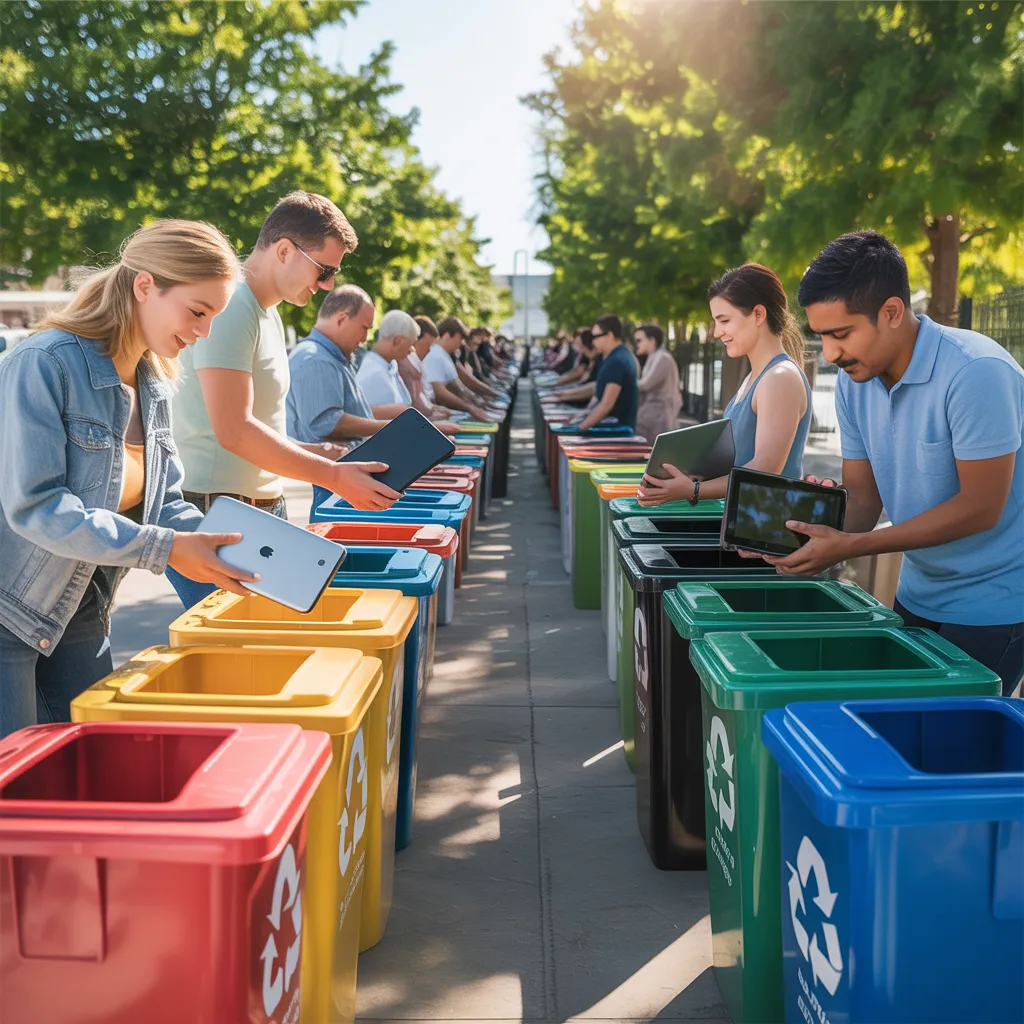
Engaging in e-waste recycling can start at the local level, where recycling centers often provide essential services for responsible disposal. Additionally, participating in community awareness campaigns can strengthen efforts to inform others regarding the importance of proper e-waste handling. Such efforts not only advance environmental sustainability but also cultivate a collective sense of responsibility toward the environment.
Regional Recycling Centers
Several neighborhood recycling stations fulfill a critical purpose in recycling electronic waste, giving communities practical solutions to discard electronic waste in an eco-friendly way. These hubs welcome a range of electronic items, including aging computers, cell phones, and television sets, verifying that toxic materials are disposed of safely. Most centers are equipped with knowledgeable personnel who support individuals in understanding proper disposal practices, underscoring the benefits of recycling compared to landfilling. Furthermore, numerous facilities provide organized drop-off opportunities or appointed collection periods, allowing residents to take part with ease. Through the use of these community services, individuals contribute to a circular economy, reducing environmental impact and promoting sustainable practices. Connecting with these stations encourages communities to fight e-waste pollution decisively.
Public Awareness Initiatives
Community groups, educational institutions, and companies can partner to arrange initiatives that encourage e-waste collection drives. Community members can serve a critical function in raising awareness, sharing informational resources, and connecting with local residents. By means of these joint initiatives, community members grow more knowledgeable and inspired to dispose of their electronics responsibly, thus playing a meaningful role in creating a more environmentally responsible future.
Answers to Your Most Common Questions
What Kinds of Electronics Can Be Recycled?
Many different electronics may be recycled, including laptops, televisions, smartphones, printers, computers, and gaming consoles. In addition, peripherals such as mice, keyboards, and batteries are also suitable for recycling, contributing to eco-friendly conservation initiatives.
Is There a Cost Associated With E-Waste Recycling?
That's correct, electronic waste recycling may involve charges, depending on the provider. Some service centers apply costs for gathering or treatment, while other facilities offer free services, frequently supported by the proceeds from salvaged materials.
How Do Businesses Gain From E-Waste Recycling?
Companies can take advantage of e-waste recycling by lowering disposal expenses, enhancing their environmental image, meeting compliance standards, extracting valuable resources, and creating potential earnings via resale, ultimately contributing to a more sustainable operational strategy.
What Becomes of Data on Recycled Devices?
Information on refurbished equipment is often irretrievably wiped or eliminated during processing. This ensures sensitive information remains secure, preventing unauthorized access while allowing materials to be reused carefully and ethically within new applications.
Are Broken Electronics Eligible for Recycling?
Indeed, broken electronics may be recycled. Many collection points receive broken devices, guaranteeing proper disposal and retrieval of valuable materials. This effort helps minimize harm to the environment while supporting eco-friendly recycling methods to control e-waste efficiently.